
Understanding your face shape is not about fitting yourself into a box.
It’s about recognizing proportions — how width, length, and angles relate to each other.
This guide explains how to identify your face shape at home using simple observation, not apps, filters, or trend-driven quizzes.
The goal is accuracy, not labels.
In This Guide
What “Face Shape” Actually Means
Face shape is defined by relative proportions, not by one feature alone.
Three structural elements matter most:
Overall length vs width
Where the face is widest
How sharp or soft the jawline appears
No single measurement decides your face shape.
It’s a pattern, not a checklist.
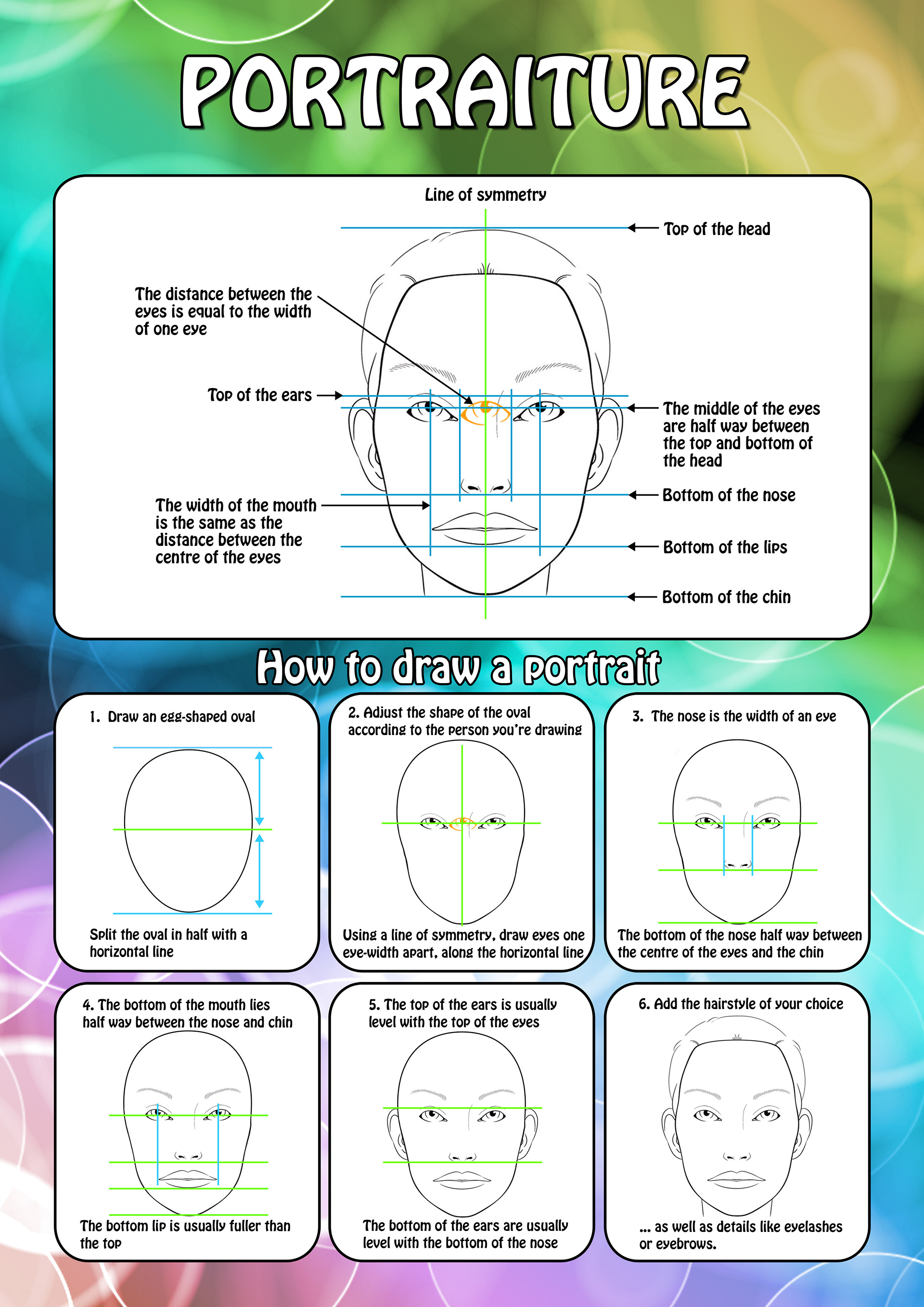
Step 1: Overall Proportions (Length vs Width)
Stand in front of a mirror with your hair pulled back.
Look at your face as a whole, not at individual features.
The first thing to observe is whether the face is visually longer than it is wide, or closer to equal.
This immediately separates faces into two broad families:
Length-dominant faces
Width-balanced faces
Everything else is refinement.
Step 2: Identify the Widest Area
Now focus on horizontal balance.
Compare three areas:
Forehead / temple area
Cheekbone width
Jaw width
The widest point usually signals the underlying structure.
For example:
Widest at the cheeks → softer, rounded structures
Widest at the jaw → stronger, angular base
Even width throughout → balanced or oval-leaning faces
Precise measurements are unnecessary.
What matters is visual dominance, not numerical accuracy.
Step 3: Observe the Jawline, Not the Chin
Many people focus on the chin.
That’s a mistake.
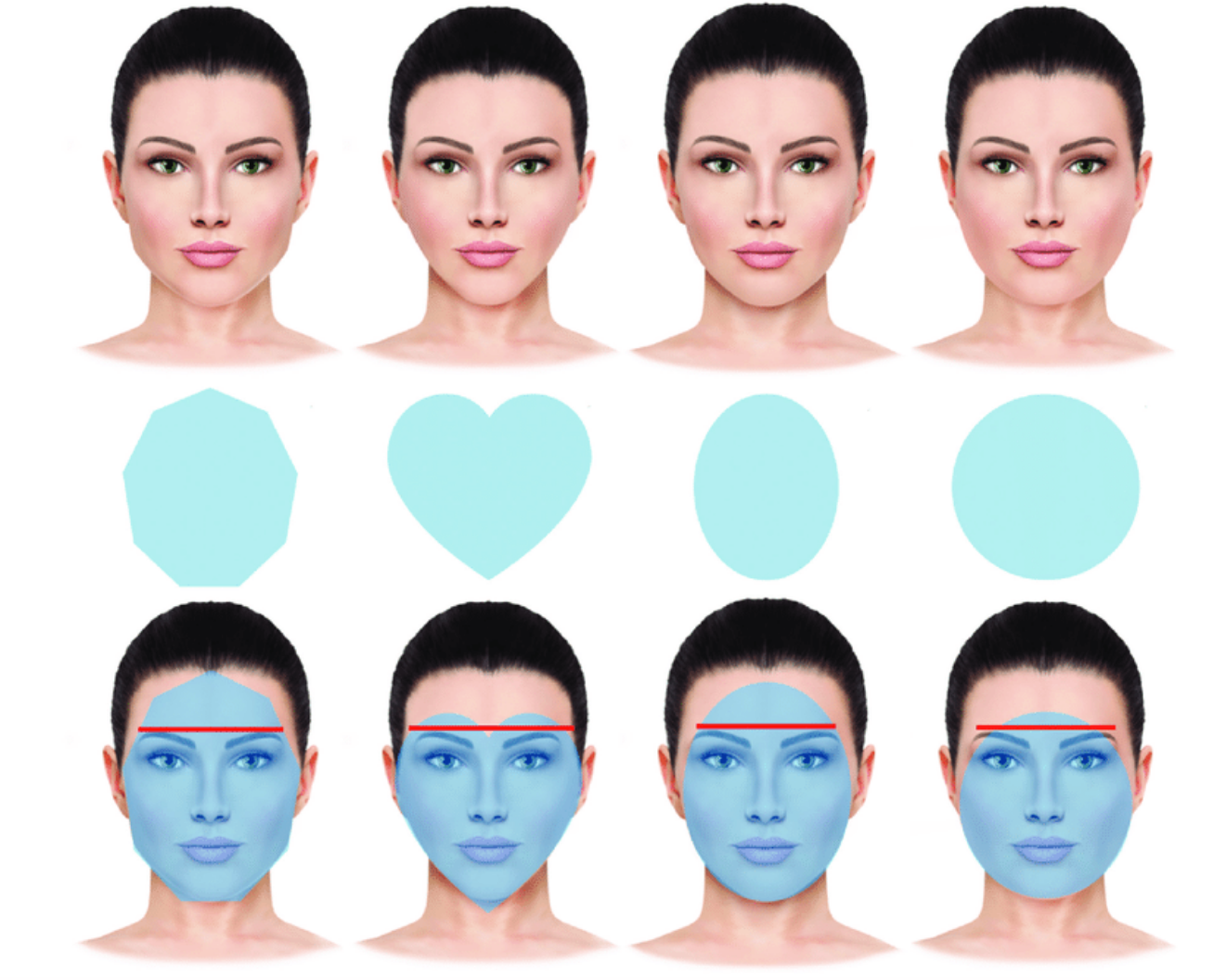
The jawline angle and continuity matter more than how pointy the chin looks.
Notice:
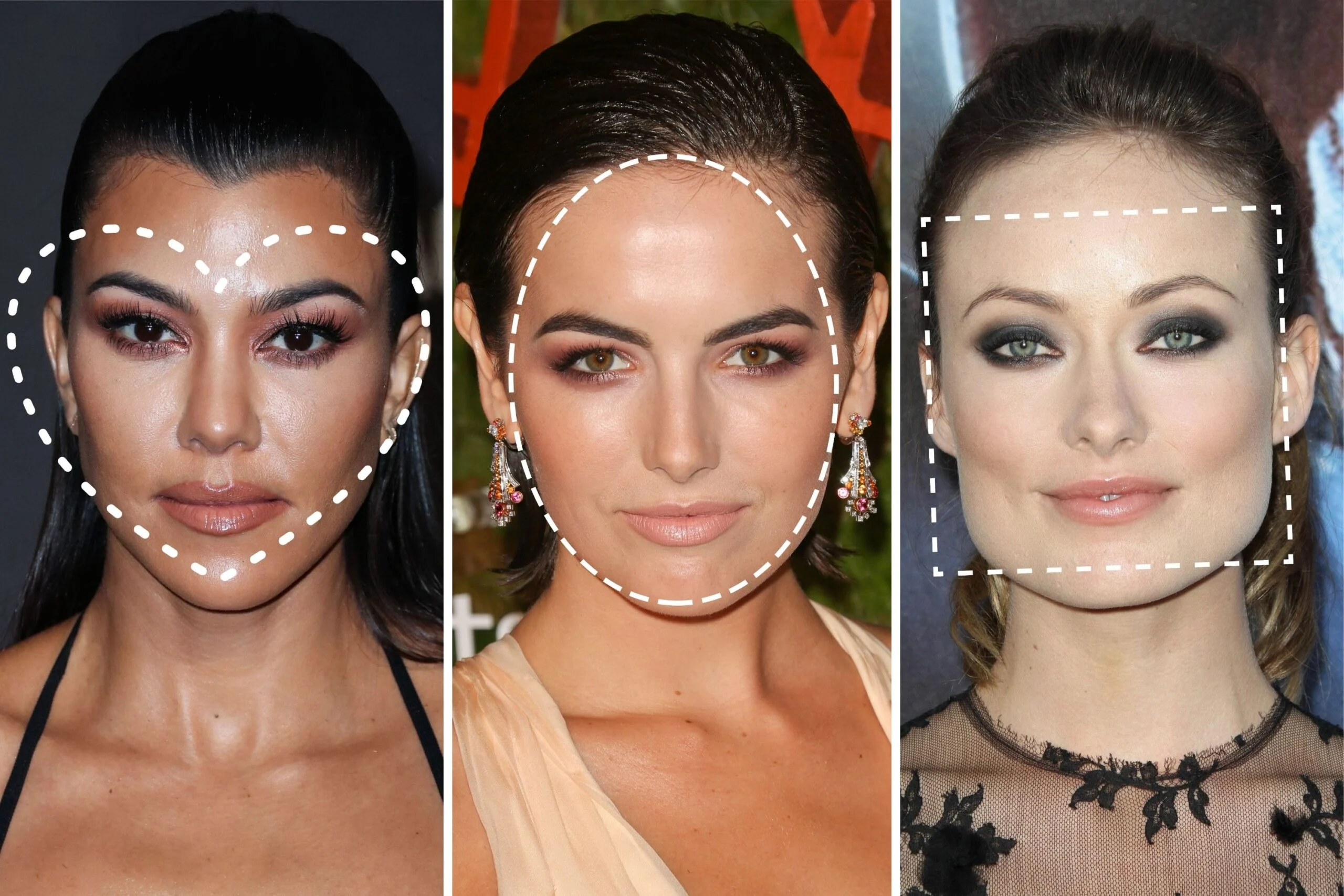
Is the jaw rounded or angular?
Does it taper smoothly or end abruptly?
Are the corners sharp or softened?
This is often what separates square, round, and oval structures.
Jawline angle comparison
Rounded vs angular jaw structures
Step 4: Match Patterns, Not Labels
At this point, your face will usually resemble one dominant pattern, even if it borrows traits from others.
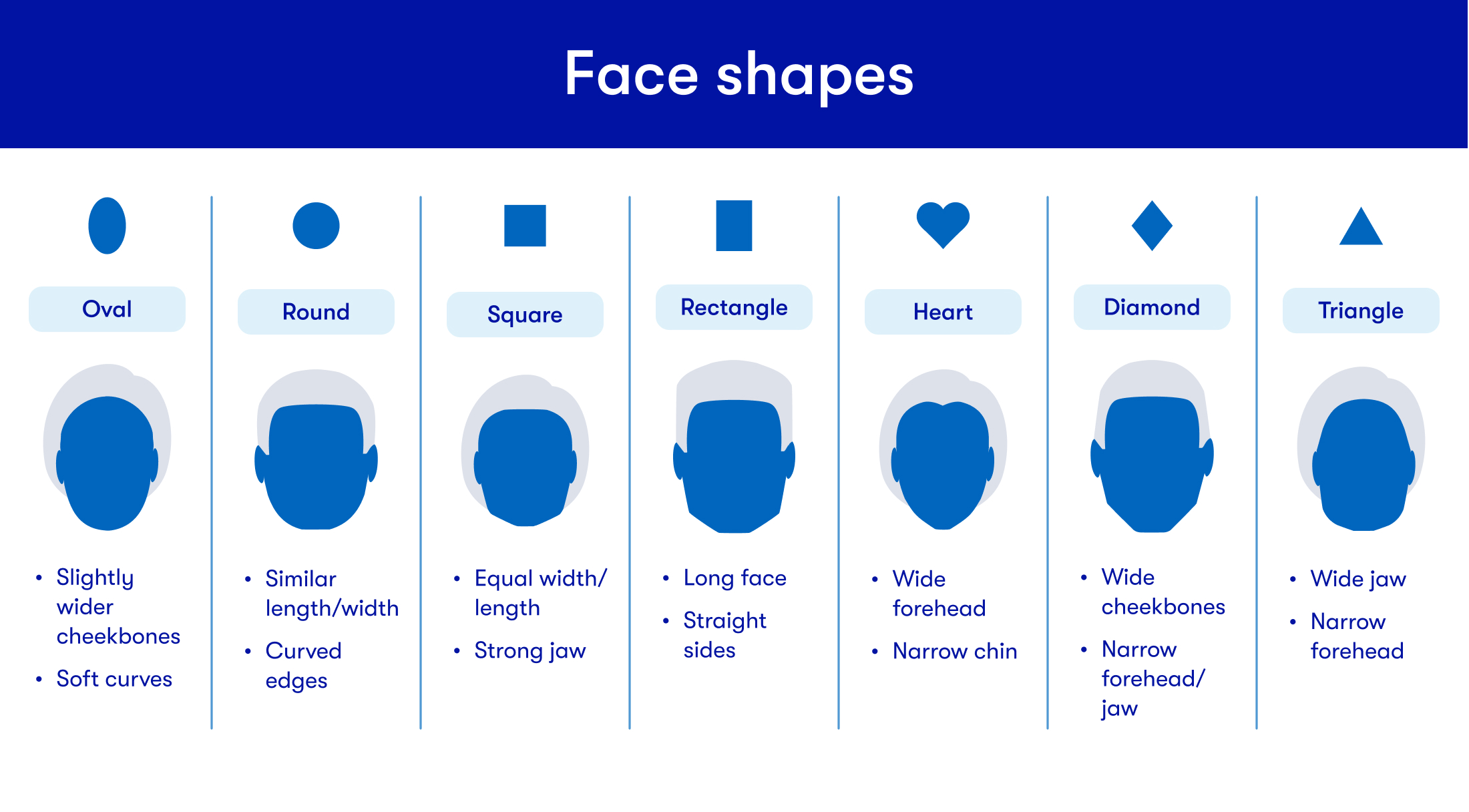
Most faces tend to follow one of several broad structural patterns:
Oval (balanced length and width, soft transitions)
Round (similar length and width, curved structure)
Square (strong jaw, relatively equal width top to bottom)
Long / oblong (clearly longer than wide)
Most real faces sit between categories.
That’s normal, and more useful than chasing a perfect label.
Common Mistakes When Identifying Face Shape
Two errors show up repeatedly:
First, using photos taken with wide-angle lenses.
They distort proportions and exaggerate width.
Second, relying on apps that reduce faces to checkboxes.
They ignore bone structure and prioritize trends.
A mirror and neutral lighting are still the most reliable tools.
Why Face Shape Is a Starting Point, Not a Rulebook
Face shape helps explain why certain haircuts feel unbalanced — a relationship explored further in how face shape affects haircut choices, not which haircut you “should” get.
Hair density, hairline, neck length, and personal styling all interact with face shape.
That’s why two people with the same face shape can look completely different with the same haircut.
Understanding structure gives you control, not restrictions.
Conclusion: Understanding Structure Comes First
Identifying your face shape at home is not about finding a perfect category.
It’s about learning to recognize proportions, balance, and structural patterns.
Once you understand how length, width, and jaw structure interact, many styling questions become easier to answer — not because rules appear, but because cause and effect become visible.
Face shape is the starting point.
What you do with that understanding comes next.
FAQ
Can my face shape change over time?
Bone structure stays the same, but weight changes, aging, and muscle tone can affect how pronounced certain areas appear.
The underlying proportions usually remain consistent.
What if my face doesn’t clearly match one shape?
That’s common.
Most faces are hybrids.
Use the closest dominant pattern and adjust decisions based on real-world results, not theory.
Do I need exact measurements to identify my face shape?
No.
Visual balance is more important than numbers.
If two faces measure similarly but look different, the eye is usually right.
This article was written and optimized with the assistance of AI, then reviewed and refined to maintain a clear, educational, non-commercial tone.