
Choosing a haircut often feels harder than it should.
You bring reference photos, explain what you like, and still walk out thinking something feels off.
In most cases, the problem isn’t the haircut itself.
It’s that the style was chosen without understanding how face shape affects balance, proportions, and overall structure.
This guide explains how face shape actually influences haircut choices—not to limit your options, but to help you make decisions that work beyond photos and trends.
It also sets the foundation for choosing styles more confidently across different face shapes and hair types.
In This Guide
What Face Shape Really Means for Haircuts
Face shape is often misunderstood.
It’s not about having a “big” or “small” face, and it’s not a strict label you have to fit into. What matters most is proportion—the relationship between width, length, and angles.
When choosing a haircut, face shape influences:
How short or long a style appears
Where volume looks balanced or excessive
Whether certain lines soften or exaggerate features
This is why the same haircut can look effortless on one person and awkward on another, even with similar hair quality.
A good haircut works with your proportions, not against them.
Common Misunderstandings About Face Shape
Before looking at specific face shapes, it helps to clear up a few common myths.
“Everyone has an oval face.”
This idea exists because oval faces are considered balanced—but that doesn’t mean most people should treat themselves as oval. Ignoring your actual proportions usually leads to vague or disappointing results.
Apps and filters are reliable.
Face-shape apps often rely on front-facing photos only. They miss depth, jaw structure, and how features relate in real life—especially from side angles.
Face shape alone determines everything.
Face shape matters, but it’s only one part of the decision. Hair type, density, and lifestyle can amplify or reduce its importance.
Understanding these limitations makes face shape useful instead of restrictive.
How Different Face Shapes Affect Haircut Balance
Below are the most common face shape categories—not as strict boxes, but as reference points for understanding balance.The sections below focus on how each face shape influences balance—not on listing hairstyles, but on understanding direction.
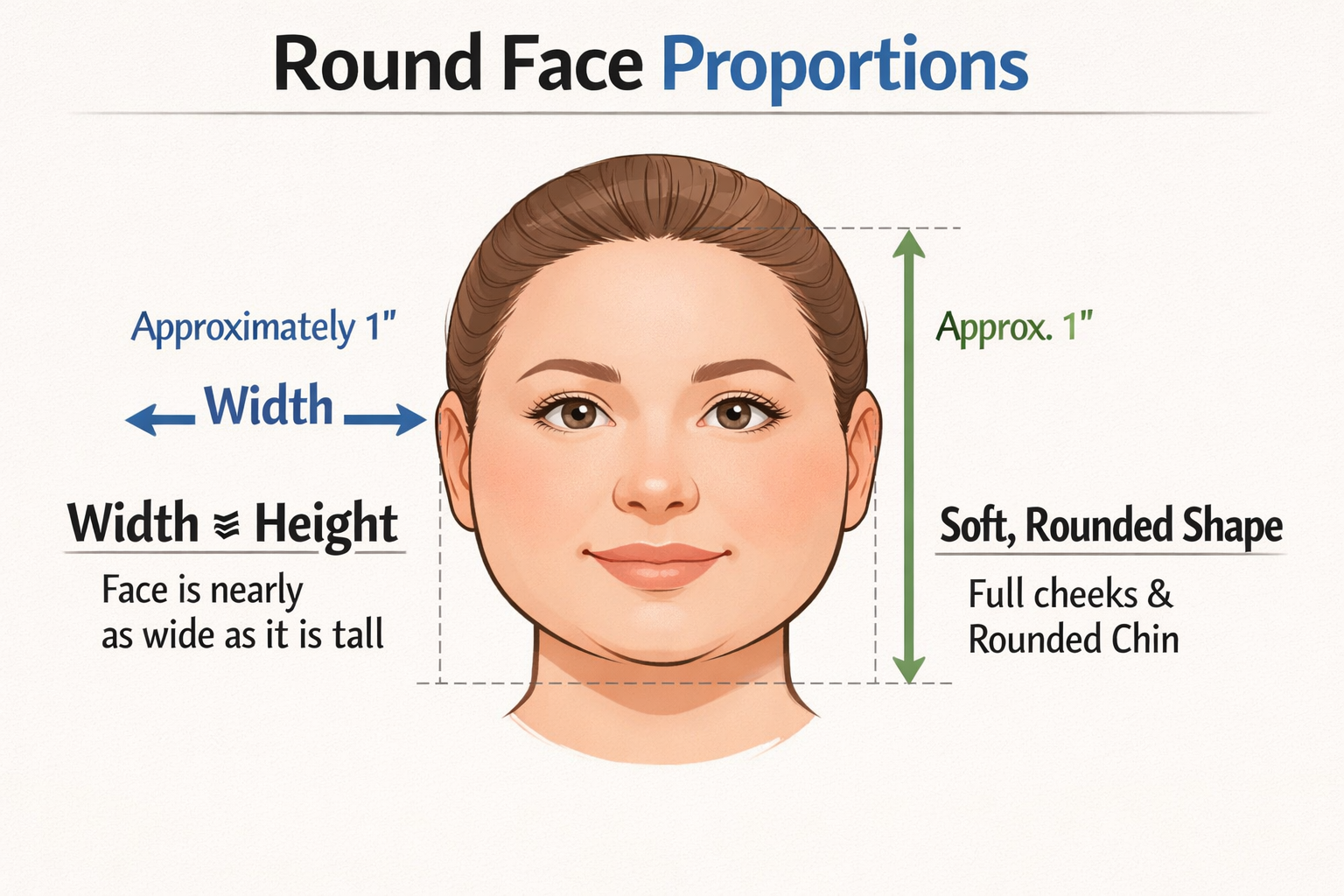
Round Face – Soft Width, Shorter Vertical Lines
Round faces tend to have similar width and length, with softer curves and less angular structure.
From a haircut perspective:
Extra volume at cheek level can increase width
Very blunt, horizontal lines can exaggerate roundness
Vertical elements help create balance
The goal is usually not to “hide” the face, but to avoid concentrating fullness in the widest areas.
If you want a deeper explanation of how haircut structure affects round faces in real-life situations,see Haircuts for Round Face: How to Choose Based on Proportions.
Oval Face – Balanced, But Not Automatic
Oval faces are often described as the most versatile, but that doesn’t mean every haircut works equally well.
Key considerations:
Extreme lengths can throw off balance
Over-layering can make the face appear longer
Proportions still matter, especially with bangs
Versatility doesn’t remove the need for intention.
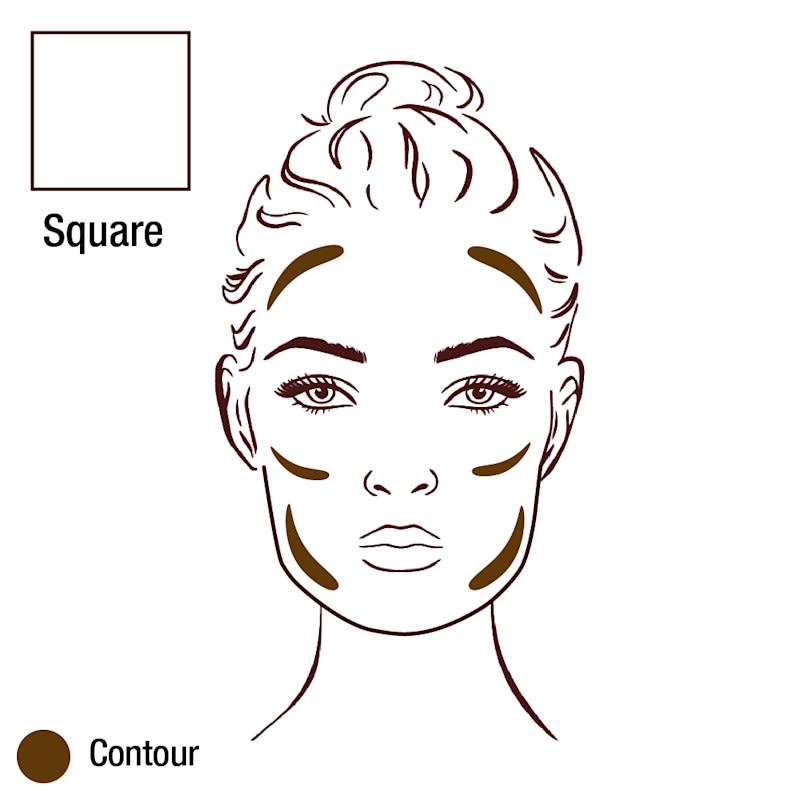
Square Face – Strong Angles and Structure
Square faces are defined by a wider jawline and more angular features.
Haircut balance here depends on:
How lines interact with sharp angles
Whether structure is echoed or softened
Placement of volume around the jaw
Some styles highlight strength beautifully, while others feel too rigid.
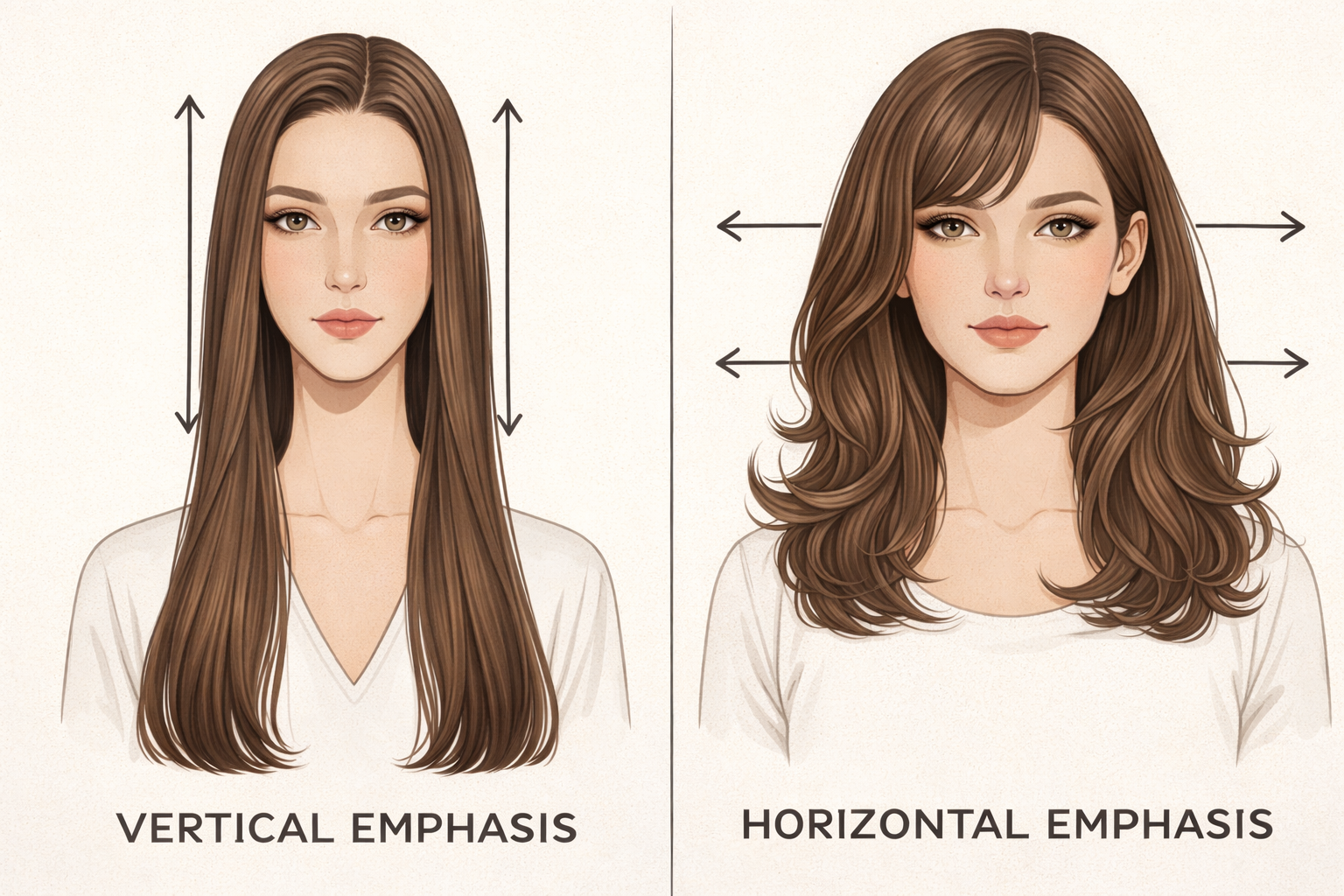
Long Face – Vertical Length Dominates
Long faces are characterized by more vertical length compared to width.
From a haircut standpoint:
Excess length can make the face appear longer
Very flat styles may lack balance
Width and horizontal emphasis help redistribute proportions
The focus is often on breaking vertical lines, not avoiding length entirely.
When Face Shape Matters More (And When It Matters Less)
Face shape tends to matter more when:
Hair is very straight or flat
Styles are blunt and geometric
Haircuts rely heavily on shape rather than texture
It matters less when:
Hair is naturally curly or very textured
Volume and movement dominate the look
Lifestyle limits daily styling anyway
This is why copying a haircut without considering hair type often leads to frustration—even when face shape seems “right.”
Understanding how hair type interacts with face shape is just as important when making haircut decisions.
How to Use Face Shape as a Starting Point (Not a Rule)
Face shape should guide direction, not dictate outcomes.
Think of it as a filter, not a decision-maker. It helps narrow options, but final choices should also consider:
Hair type and density
Maintenance preferences
How much styling you realistically do
For a deeper breakdown of specific styles by category, you can explore the Haircuts by Face Shape section on HairDisigns.
How to Talk to Your Stylist About Face Shape
One of the most practical uses of face shape is communication.
Instead of saying:
“I have a round face.”
“I want something slimming.”
Try focusing on:
“I’d like less volume around my cheeks.”
“I want more length emphasis here.”
“I prefer balance over sharp contrast.”
This shifts the conversation from labels to outcomes, which stylists understand much better.
Frequently Asked Questions
Can face shape change over time?
Yes. Weight changes, aging, and facial hair can all subtly affect proportions.
What if my face doesn’t fit one category?
Most people fall between types. Use the closest traits as guidance rather than forcing a label.
Does face shape matter more than hair type?
No. Hair type often affects results more in daily life.Face shape works best when considered alongside hair type, texture, and daily maintenance habits.
Conclusion
A good haircut isn’t about copying a look—it’s about understanding why something works.
Face shape provides a useful framework for making better decisions, especially when combined with hair type and lifestyle considerations. When you focus on balance rather than trends, haircut choices become clearer and far more reliable.
Understanding the logic behind your options is often the difference between a haircut that only looks good in photos and one that feels right every day.
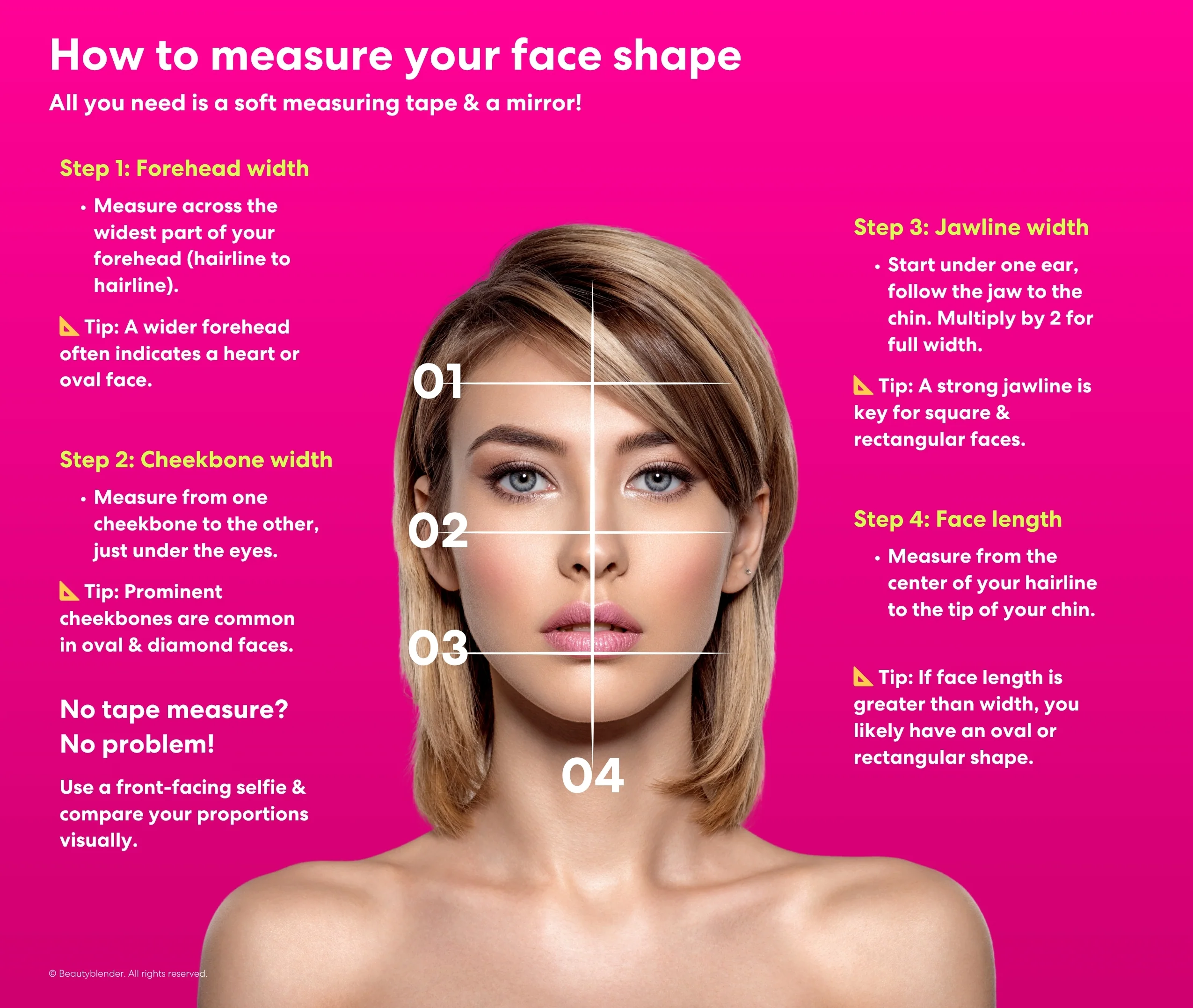
The next step is learning how to identify your own face shape accurately.
If you haven’t done that yet, start with how to identify your face shape at home , which helps turn these principles into practical choices.