


In This Guide
Introduction: Why Square Faces Are Often Misguided
Square face shapes are usually described with a few blunt keywords:
strong jaw, angular, masculine or sharp.
These labels are not wrong—but they’re incomplete.
Most haircut advice for square faces jumps straight to conclusions:
“Add layers.”
“Soften the jaw.”
“Avoid blunt cuts.”
The problem is not the advice itself.
The problem is skipping the logic that explains why balance is needed, and where it should happen.
This guide treats square-face haircuts as a structural problem, not a style trend.
Once the structure is clear, styles stop feeling confusing—and personal taste can actually function.
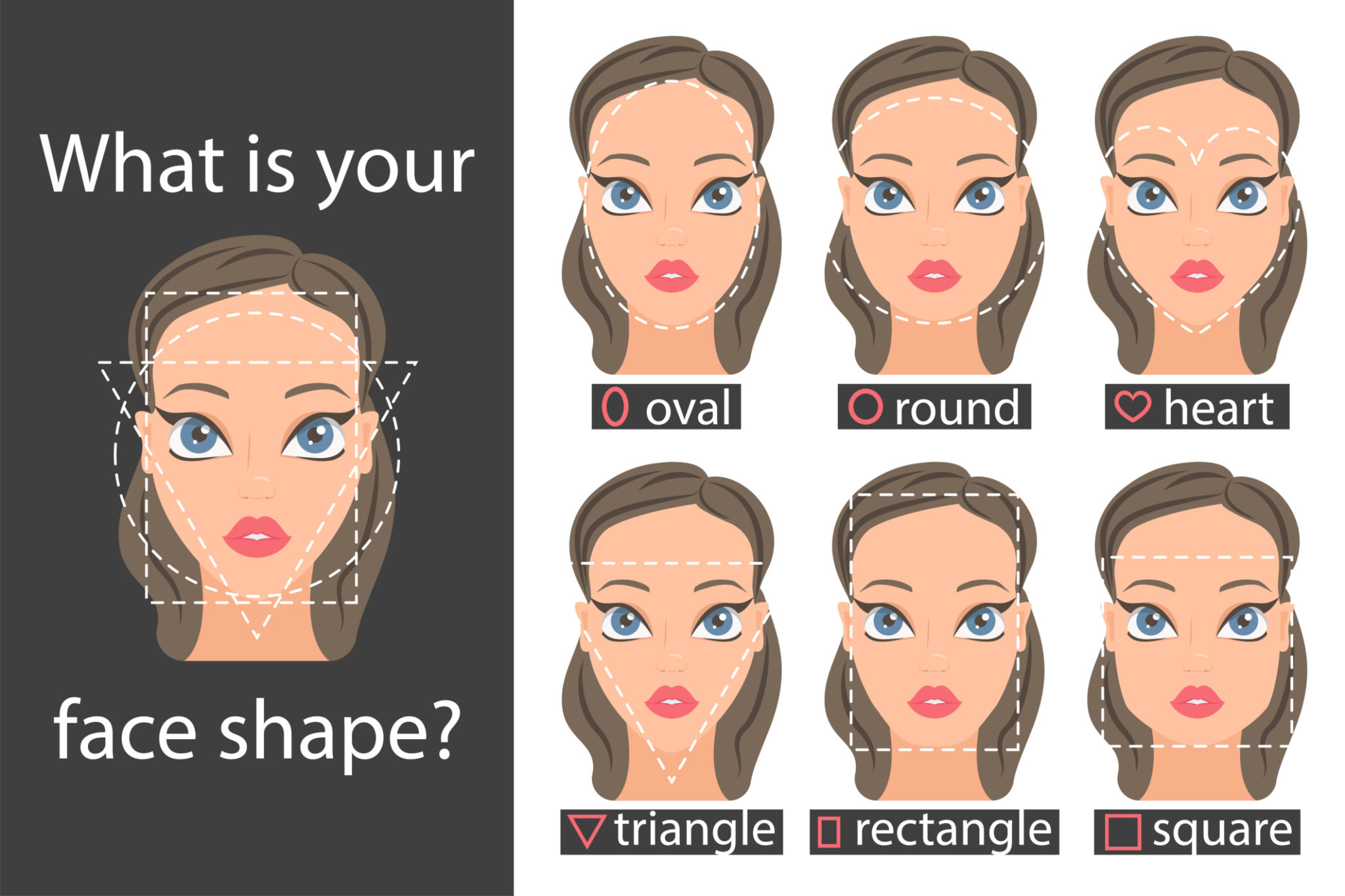
Understanding the Square Face: What Needs Balancing (and What Doesn’t)
A square face is defined by two dominant traits:
- Similar width across forehead, cheekbones, and jaw
- A jawline that ends abruptly rather than tapering
This creates visual stability—but also visual weight, especially in the lower third of the face.
Important clarification:
A square face does not need to be “hidden” or “corrected.”
It needs distribution.
Haircuts for square faces succeed or fail based on one question:
Where does the haircut add or reduce visual mass relative to the jaw?
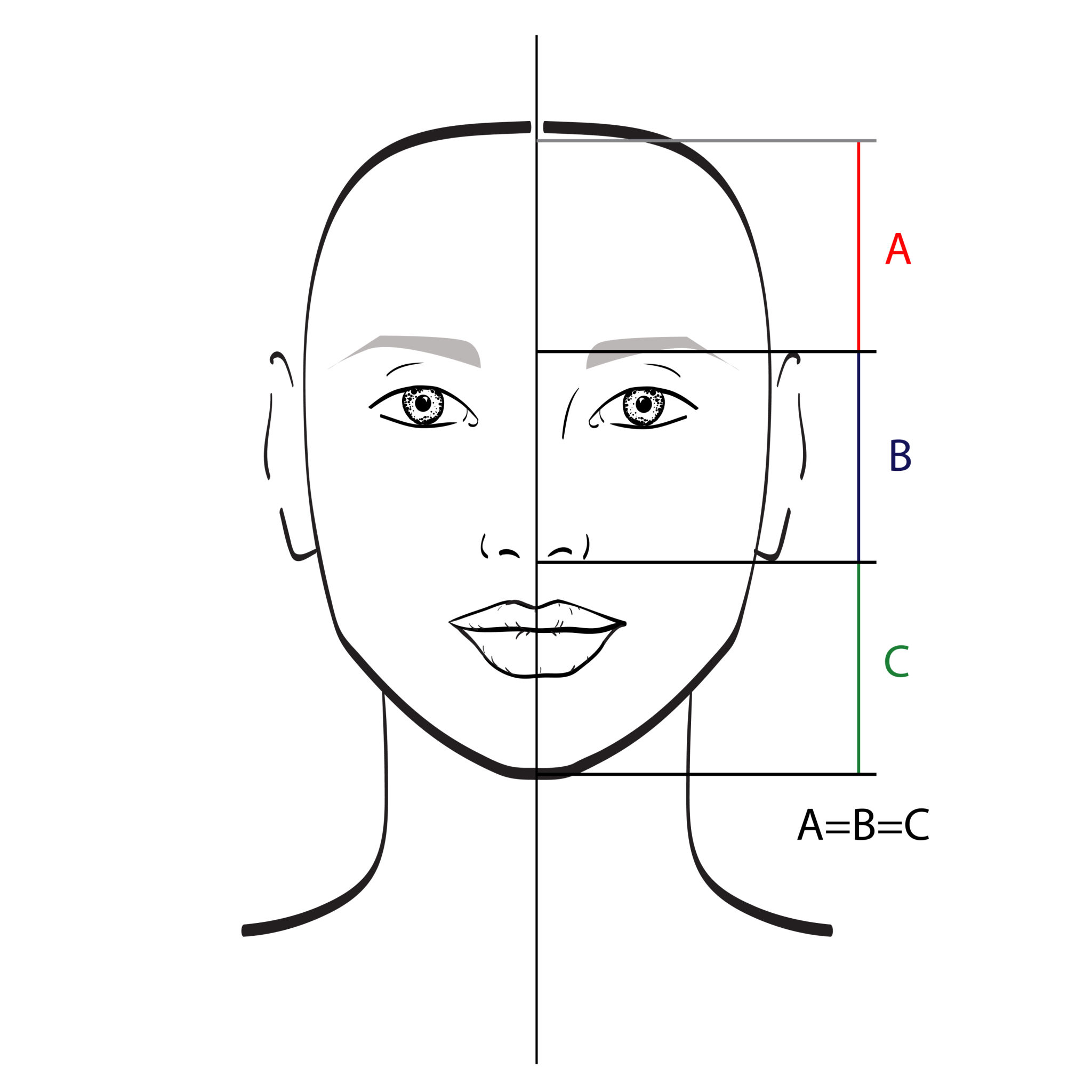
The Balance Logic: Vertical Flow vs. Horizontal Emphasis
Hair interacts with face shape in two main directions:
- Horizontal emphasis makes the face look wider and more grounded
- Vertical or diagonal flow stretches perception and reduces heaviness
Square faces already have strong horizontal cues.
So most effective haircuts introduce controlled vertical or diagonal movement,
especially near the jaw and cheek area.
This is why advice like “add layers” is incomplete.
Layers work only if they redirect attention—not if they stack bulk at the jaw.
Where Square Face Haircuts Usually Go Wrong
Common mistakes are surprisingly consistent:
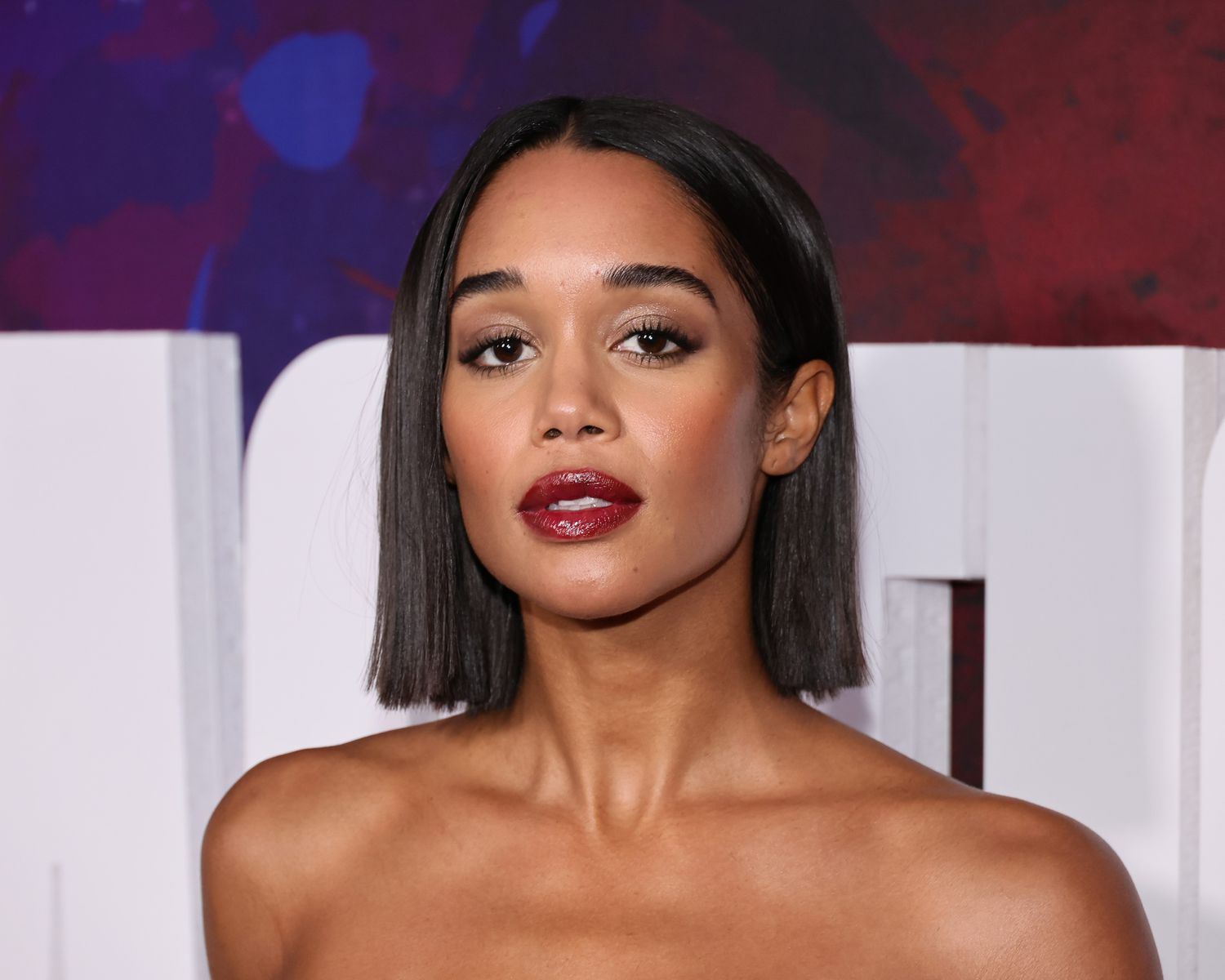
- Blunt ends stopping at jaw level
These underline the strongest part of the face instead of balancing it. - Too much volume on the sides
This exaggerates width without adding flow. - Over-smoothing
Ultra-flat styling removes vertical movement and freezes the face into a blocky outline.
These haircuts aren’t “bad.”
They’re just structurally mismatched to how square faces read visually.
What Actually Works: Structural Principles (Not Style Names)
Instead of naming hairstyles, it’s more useful to understand what the haircut is doing:
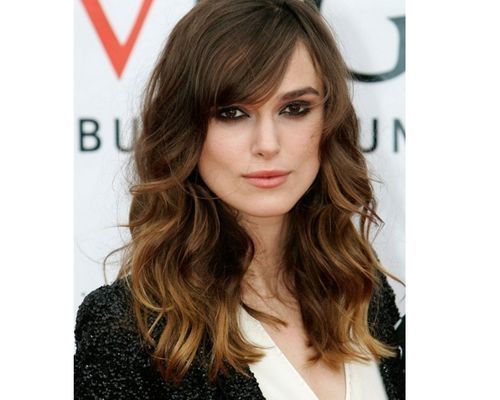
- Soft interruption near the jaw
Texture, waves, or tapering break the straight line of the jaw visually. - Length that passes the jaw cleanly
Either clearly above it or clearly below it—lingering at jaw height creates tension. - Movement that flows downward or diagonally
This shifts attention away from width and toward rhythm.
Once these rules are clear, many styles become viable—including ones not traditionally recommended for square faces.
Short, Medium, Long: Why Length Alone Is Not the Answer
Length is often treated as the deciding factor.
In reality, length only changes where balance happens, not whether it happens.
- Short hair needs texture or asymmetry to avoid boxing the face
- Medium length must manage the jaw transition carefully
- Long hair relies on flow and layering to prevent heaviness
This is why two people with the same face shape can wear the same length—and get completely different results.
Styling Matters More Than the Cut Diagram
Even a well-designed haircut can fail if styled against its logic.
- Center parts emphasize symmetry (sometimes too much)
- Slight off-center parts introduce movement
- Natural wave patterns often help square faces more than forced straightening
Haircuts are systems, not static shapes.
Styling choices activate—or cancel—the balance they were designed for.
FAQ: Square Face Haircuts Explained
Q1: Do square faces need to avoid blunt haircuts entirely?
No. Blunt elements can work when they’re placed away from the jaw or balanced with texture elsewhere.
The issue is emphasis, not bluntness itself.
Q2: Is softening the jaw always the goal?
Not necessarily. Some people prefer to highlight a strong jaw.
Balance doesn’t mean hiding—it means choosing where strength appears.
Q3: Can square faces wear very short hair?
Yes, if the cut introduces direction or asymmetry.
The risk isn’t shortness—it’s rigidity.
Final Thought: Haircuts Don’t Fix Faces—They Translate Them
Square faces already have clarity and presence.
The right haircut doesn’t soften that away—it translates it into rhythm and proportion.
Once balance logic is understood, trends become optional—and personal taste finally has room to operate.