


How often should you change your haircut is not a question of time alone.
Understanding how often you should change your haircut requires looking at structure, not schedules.
Haircuts do not expire on a fixed schedule. They lose stability when the original structure no longer aligns with how the hair grows, moves, and distributes weight.
A haircut may look acceptable for weeks, but if its internal balance is already compromised, it becomes increasingly difficult to maintain.
This article explains how often you should change your haircut from a structural perspective, focusing on growth behavior rather than arbitrary timelines.
In This Guide
Haircuts Do Not Expire — They Deform
Hair grows continuously, but structure does not adapt.
According to
American Academy of Dermatology,
hair grows at a relatively consistent rate, which gradually shifts the original haircut structure over time.
Over time:
- Weight shifts downward
- Volume distribution changes
- Shape proportions become distorted
This process is gradual, not sudden.
This is why asking how often should you change your haircut cannot be answered with a fixed timeline.
A haircut stops working when its structure no longer supports the intended shape.
For a deeper explanation of structural durability, see:
haircut longevity and structural stability.
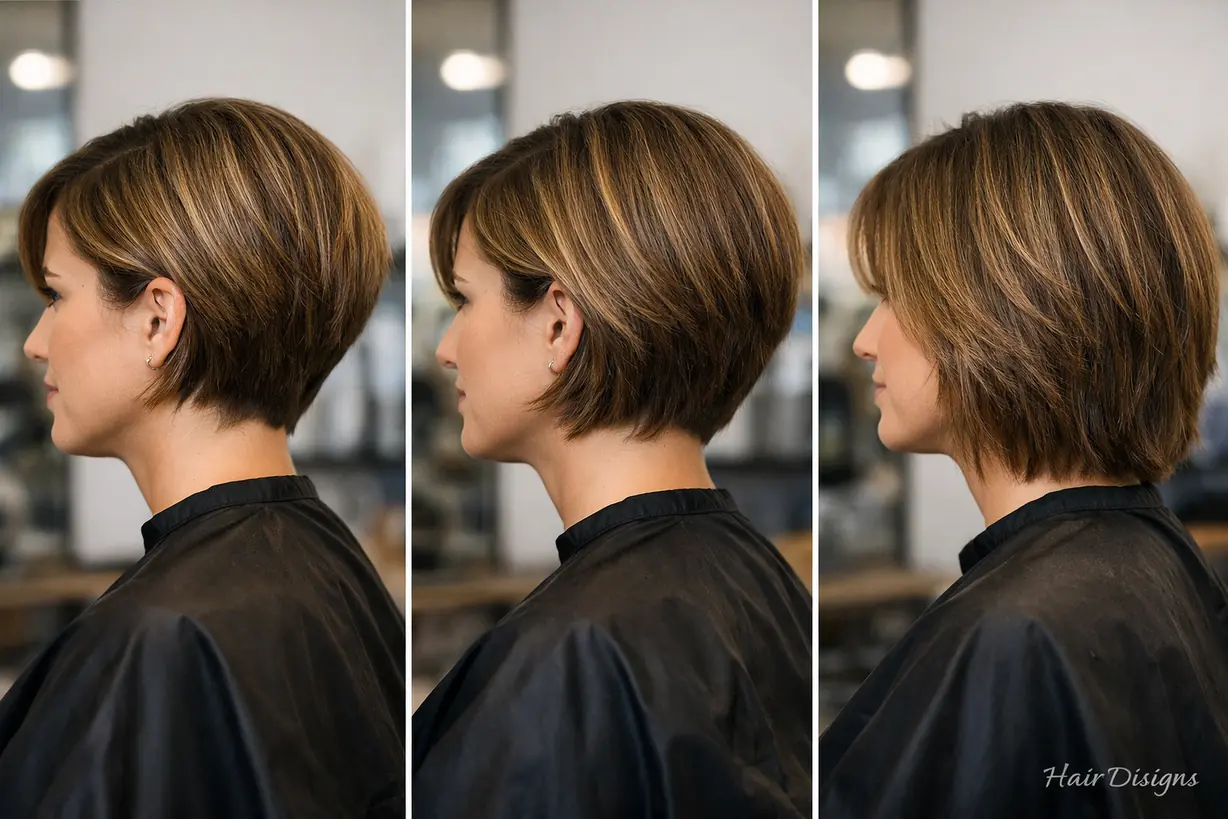
Frequency Depends on Structural Sensitivity
Not all haircuts degrade at the same rate.
The more precise the structure, the faster it loses balance.
For example:
- Sharp geometric cuts → lose definition quickly
- Layered structures → adapt more gradually
- Soft shapes → tolerate growth better
This is why time-based rules (e.g., every few weeks) are unreliable.
The correct interval depends on how sensitive the haircut is to change.
For structural context:
how layering interacts with hair structure.
Hair Type Changes the Timeline Completely
Hair type determines how visible structural change becomes.
Key variables:
- Density: heavier hair shows imbalance faster
- Texture: straight hair reveals lines clearly, curly hair diffuses them
- Growth pattern: affects how shape expands or collapses
This is explained in:
how hair type changes the way a haircut looks.
As a result, two people with the same haircut may need completely different maintenance timing.
Maintenance Is About Stability, Not Freshness
Many people associate haircuts with appearance refresh.
But structurally, maintenance exists to preserve balance.
A haircut should be adjusted when:
- Shape no longer holds without styling
- Weight distribution feels uneven
- Volume shifts away from intended areas
If daily styling becomes necessary to maintain the original shape, the structure is already failing.
For a related perspective:
why structure reduces daily styling.
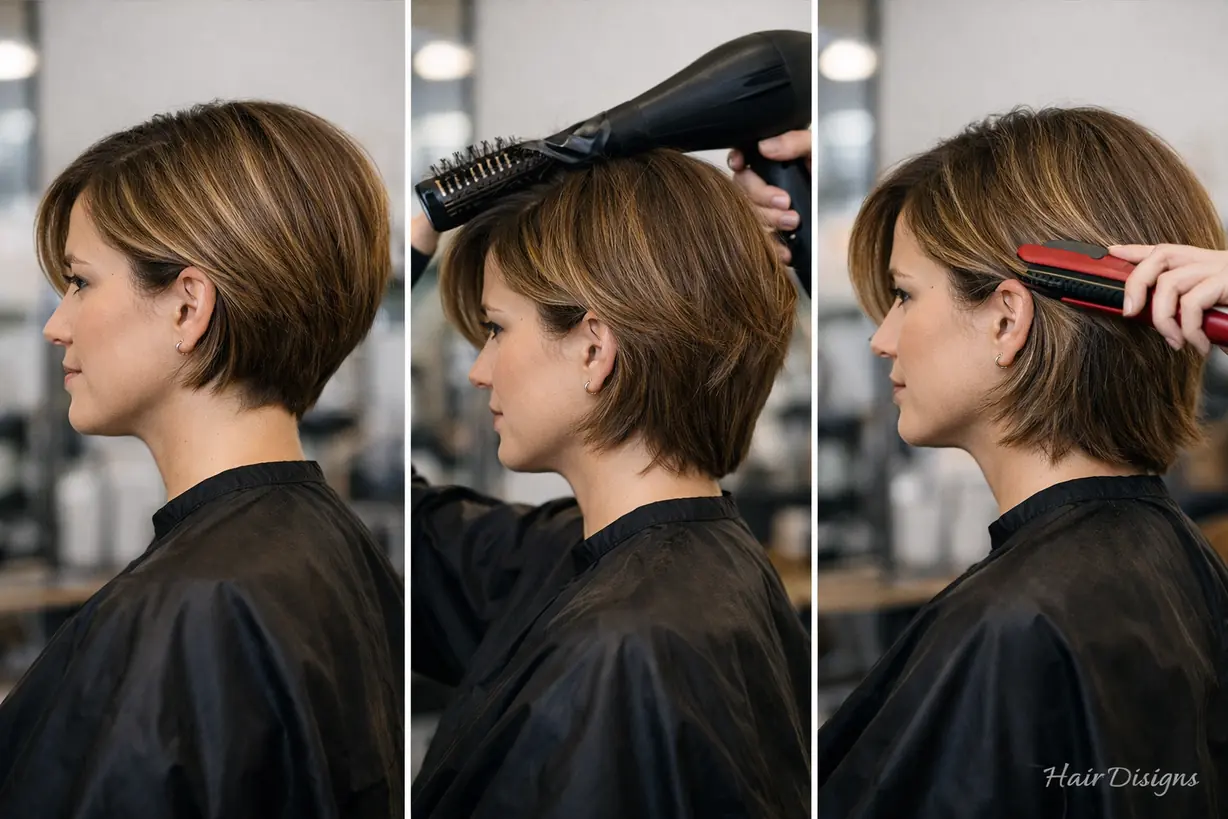
Changing vs Maintaining a Haircut
Not every visit requires a new design.
There are two different actions:
- Maintenance: restoring the original structure
- Change: redesigning the structure entirely
Confusion happens when these are treated as the same.
This distinction is explained in:
haircut vs hairstyle structural difference.
You should change your haircut only when:
- Your current structure no longer fits your hair behavior
- Your lifestyle or maintenance capacity changes
Otherwise, maintenance is sufficient.
Why Fixed Time Intervals Fail
Generic advice like “every few weeks” ignores three critical factors:
- Hair growth rate variation
- Structural design complexity
- Hair type behavior
A structurally stable haircut may last significantly longer without visible failure.
A poorly matched haircut may fail within a short period.
For decision-making logic:
how to choose a haircut that fits your lifestyle.
FAQ: How Often Should You Change Your Haircut
How do I know my haircut needs changing?
When the shape no longer holds without effort, or when balance feels inconsistent, the structure has degraded.
Is it bad to wait too long between haircuts?
Not necessarily. If the structure remains stable and manageable, delay does not create damage—it only reflects slower structural change.
Should I change my haircut regularly to improve appearance?
Changing frequently without structural reasoning often creates instability. A well-designed haircut should remain functional over time.
Closing Perspective: Timing Follows Structure
How often should you change your haircut is ultimately a structural question, not a timing rule.
A haircut should be maintained when it begins to lose balance, and changed only when it no longer aligns with your hair type or lifestyle.
If you are unsure where to begin, start with:
how to identify your hair type
Then evaluate how structure behaves over time, rather than relying on fixed intervals.