

Most haircut advice starts with face shape.
That is useful, but incomplete.
A haircut does not live in a mirror. It lives in your mornings, your commute, your weather, your schedule, and your habits. A style that looks balanced in a salon can become frustrating if it conflicts with how you actually move through your day.
This guide explains how to choose a haircut based on lifestyle structure rather than trends or isolated visual rules. The goal is not to find something impressive. The goal is to find something sustainable.

In This Guide
Haircuts Are Systems, Not Snapshots
When you choose a haircut, you are choosing a maintenance system.
Every cut carries built-in requirements:
- How often it needs reshaping
- How precisely it must be styled
- How it behaves as it grows
- How it reacts to humidity, movement, and sleep
A blunt bob, for example, relies on a sharp perimeter. As soon as growth becomes uneven, the outline softens and the structure weakens. A layered cut distributes structure internally, which allows it to expand and shift more gradually over time.
If you have not clarified your hair’s density or texture behavior, review How to Identify Your Hair Type before making structural decisions. Lifestyle alignment only works when it is built on accurate hair understanding.
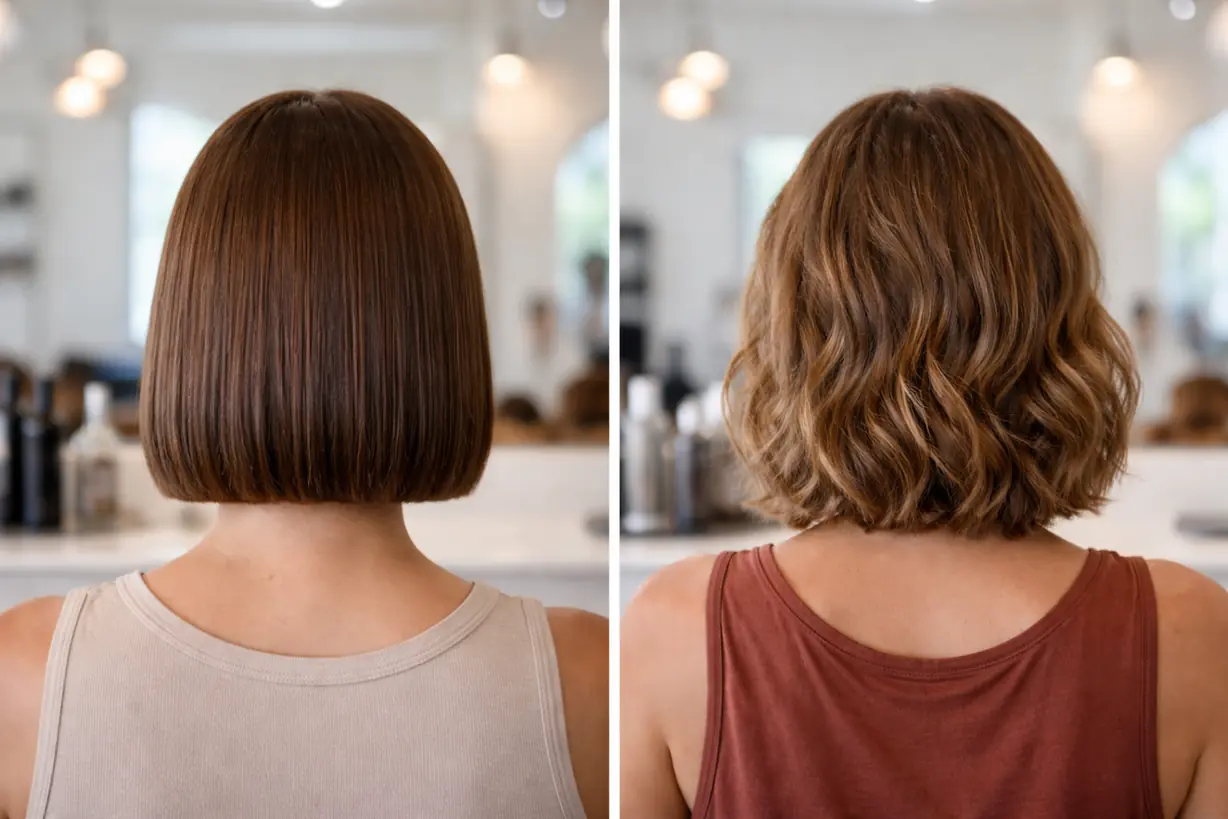
Time: The Most Overlooked Variable
The most honest question is not “What looks good?” but “What will I actually maintain?”
Time commitment determines whether a haircut feels empowering or exhausting.
Low Styling Tolerance
If you rarely use heat tools and prefer wash-and-go routines, your haircut must rely on natural fall, balanced weight, and cooperative texture. Overly precise shapes or heavy fringe sections may require daily correction.

Moderate Styling Routine
If you are comfortable spending 10–20 minutes shaping your hair, layered structures and directional movement become realistic. These cuts still need intention, but not constant correction.

High Styling Commitment
Intricate shapes, strong lines, or short sculpted cuts can work well—if upkeep aligns with your routine. Precision requires repetition. Structure does not maintain itself.
A mismatch between haircut and time tolerance is one of the most common causes of dissatisfaction.

Movement and Environment
Hair behaves differently depending on climate, activity level, and daily environment.
Humidity expands certain textures. Wind exposes weak internal balance. Professional settings may reward controlled silhouettes, while active or outdoor routines favor flexibility.
For example:
- Highly structured bobs resist constant tying or tucking.
- Very long hair demands more drying time and physical management.
- Heavy fringe sections may separate under sweat or humidity.
If you live in a humid region, internal layering and weight distribution matter more than perimeter precision. If you frequently tie your hair back, the base length and density become more important than face-framing details.

Growth Tolerance: The Silent Factor
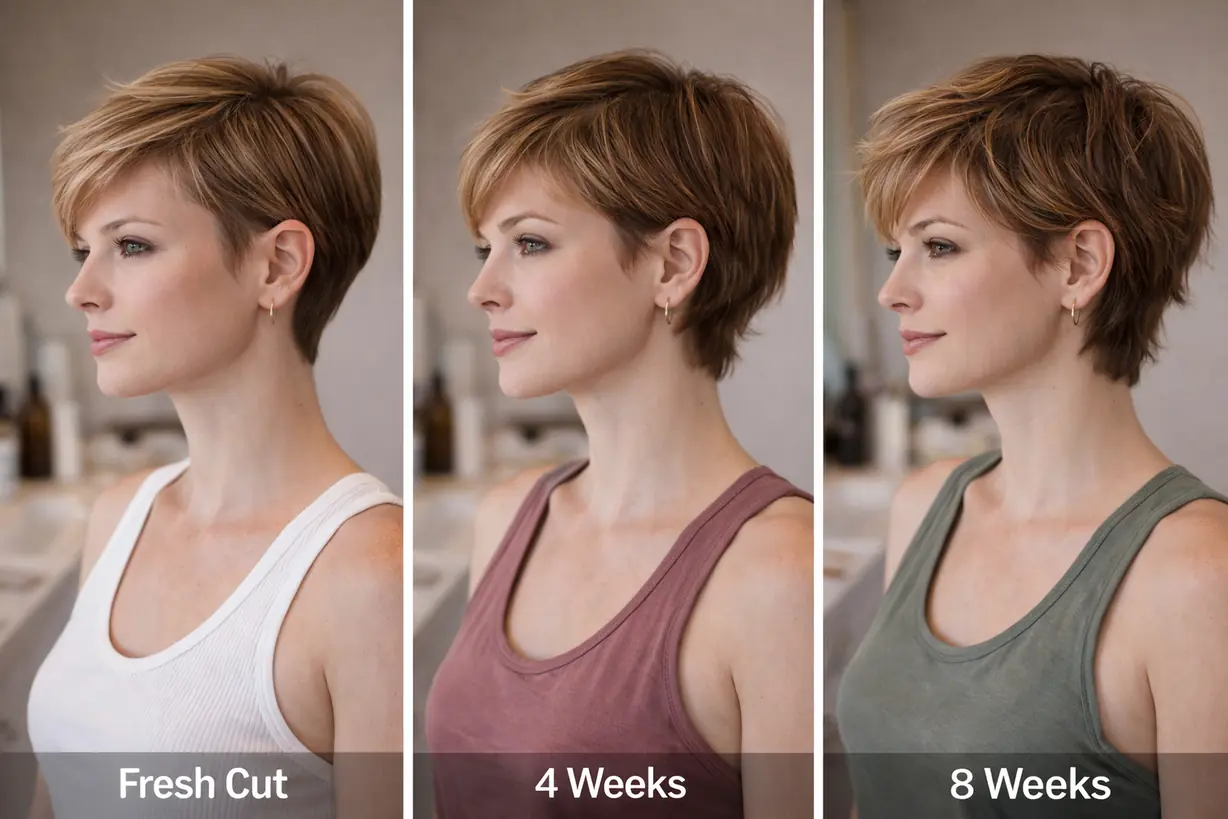
Every haircut changes as it grows. The speed and visibility of that change vary by structure.
Short, sharply defined cuts shift fastest. Strong outlines lose clarity quickly. Longer, blended shapes usually grow more gradually and forgive irregular trim intervals.
How often are you realistically willing to visit a salon?
If the answer is every 6–8 weeks, avoid shapes that demand 3–4 week precision maintenance. If you prefer longer gaps, choose forms designed to soften naturally over time.
To understand how structure interacts with facial proportions, see How Face Shape Affects Haircut Choices. Visual balance and growth behavior must work together.
Identity vs. Function
Some people want a haircut to signal change. Others want neutrality and ease.
Neither approach is inherently better.
Problems appear when identity-driven cuts require lifestyle adjustments you are not prepared to sustain. Hair expresses personality, but it also obeys physics: weight falls, texture expands, and time passes.
A dramatic shape can feel powerful at first. If it requires tools, products, and attention you dislike using, friction accumulates quickly.

Decision Framework
Before choosing a haircut, clarify four variables:
- Your natural texture behavior
- Your daily time budget
- Your climate and activity level
- Your maintenance frequency tolerance
When these align, most structural designs feel manageable.
When they conflict, even visually flattering styles become burdensome.
FAQ
Does face shape matter less than lifestyle?
Face shape influences visual balance, but lifestyle determines sustainability. A flattering cut that disrupts daily routines rarely remains satisfying. Both matter, but lifestyle often determines long-term success.
Can I adapt my lifestyle to fit a haircut?
Yes, if the adjustment feels intentional rather than forced. If styling feels like a ritual you enjoy, higher-maintenance cuts can be fulfilling. If styling feels like a chore, structural ease is usually more sustainable.
Is low maintenance always better?
Not necessarily. The right haircut matches your real behavior. “Low maintenance” only works when it aligns with your preferences, texture, and environment.
Conclusion
Choosing a haircut is not about selecting the most striking silhouette in isolation. It is about selecting a structure that cooperates with your time, movement, and environment.
When haircut design and lifestyle align, maintenance feels natural rather than forced. And when maintenance feels natural, confidence tends to follow without constant correction.