


A long face shape is often described with a single instruction: “make it shorter.”
That sounds practical, but it’s incomplete—and that incompleteness is where most haircut mistakes begin.
Hair doesn’t actually change face length. What it changes is visual proportion: where the eye pauses, where volume lives, and which lines dominate. This is the same underlying logic explored in how face shape affects haircut choices.
This guide focuses specifically on how long faces are misread—and how structure, not style names, creates balance.
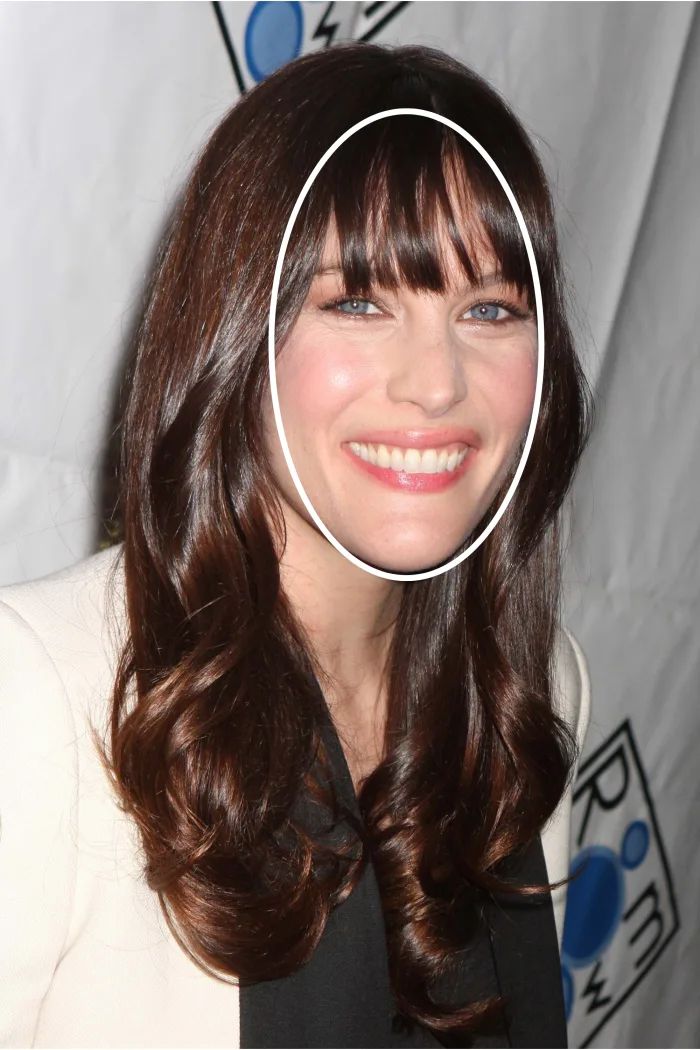
Notice how the fringe and cheek-level volume interrupt the vertical length, rather than trying to shorten the face.
In This Guide
Understanding the Long Face (Without Stereotypes)
A long face is defined less by absolute length and more by length relative to width. Cheekbones, jaw, and forehead often sit in a similar vertical rhythm, with fewer horizontal interruptions.
One reason long-face advice goes wrong is misclassification. Many people labeled as “long-faced” are actually oval or mixed types. If you’re unsure, it’s worth confirming first using a simple at-home face shape identification method.
The common error is to treat “long” as a problem to be corrected. In reality, it’s a distribution issue:
- Too much vertical emphasis
- Not enough lateral or horizontal cues
- Hairlines and partings that stretch the eye downward
A good haircut doesn’t “shorten” the face.
It rebalances attention.
Why Most Advice Fails Long Faces
Generic advice tends to compress everything into a single rule:
“Add bangs.”
“Avoid length.”
“Don’t go too sleek.”
Each of these can help—or hurt—depending on how they’re applied.
What actually causes imbalance:
- Unbroken vertical lines (center parts, straight drops past the jaw)
- Volume concentrated only at the crown
- Length that collapses inward instead of outward
When these stack together, the face appears longer than it actually is.
The Core Principle: Interrupt the Vertical Line
Long faces benefit from intentional interruptions. These interruptions can be visual (texture), structural (layers), or directional (partings and flow).
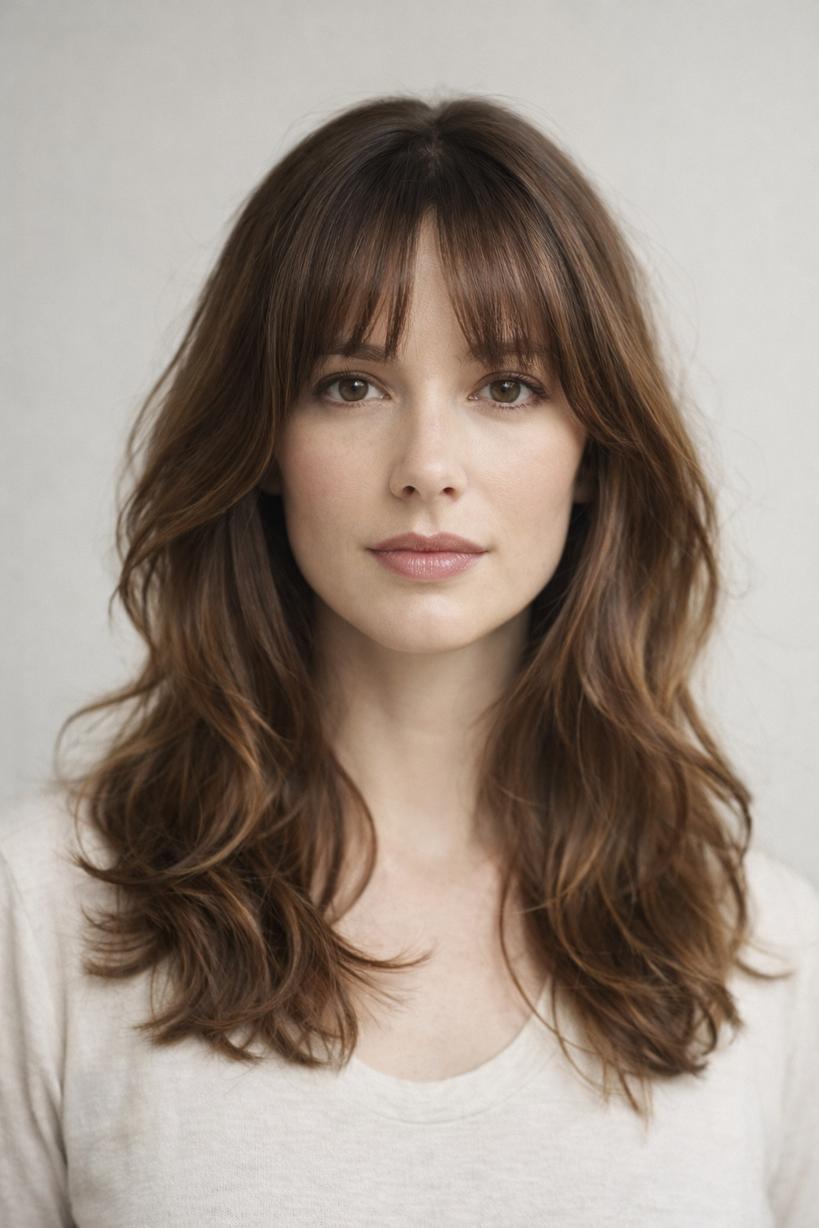
Notice how the fringe and cheek-level layers interrupt the vertical flow, creating width without adding height at the crown.
These principles apply regardless of trend or haircut name.
Horizontal emphasis
This can come from fringe, cheek-level layers, or how hair curves outward instead of falling straight.
Side presence
Hair that occupies space near the cheeks and temples balances length better than height at the crown.
Controlled length
Length itself isn’t the enemy. Length without structure is.
Fringe, Bangs, and Why Placement Matters
Fringe is often recommended for long faces, but placement is everything.
- A soft, textured fringe breaks the forehead-to-chin line without boxing the face in.
- A heavy, blunt fringe can overcorrect, making the face feel compressed.
- A too-short fringe reintroduces vertical emphasis by exposing too much forehead.
The goal is not coverage—it’s visual punctuation.
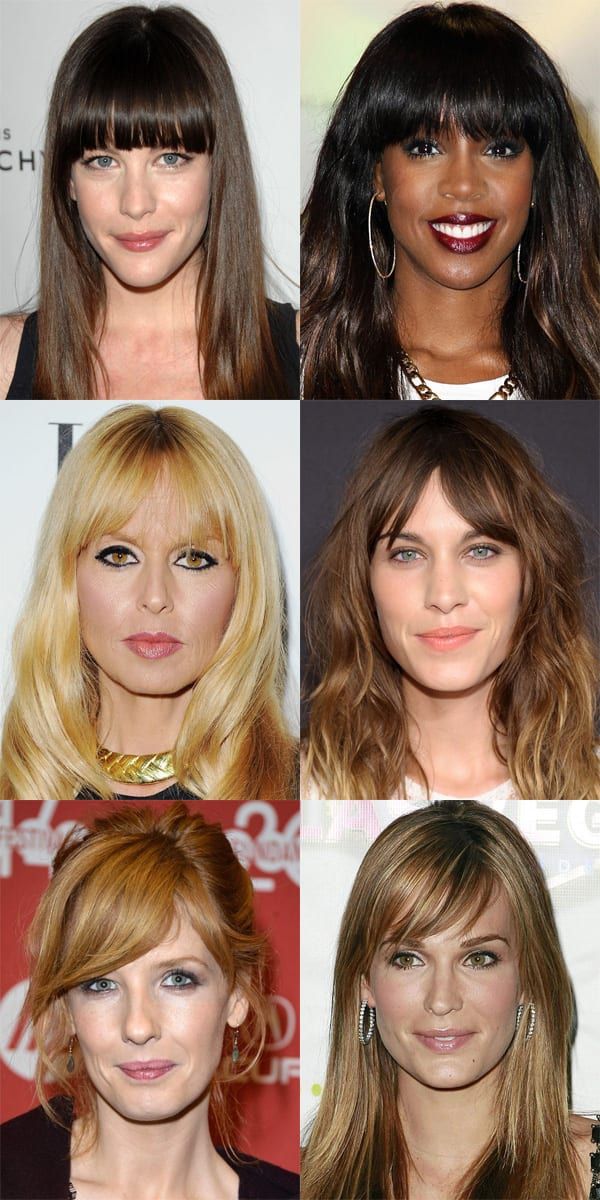
These examples vary widely in features and styling. What they share is not a “type,” but how fringe and side volume interrupt vertical facial emphasis.
Length Isn’t the Problem—Direction Is
Long hair on a long face can work extremely well when:
- Layers push slightly outward at cheek or jaw level
- Texture prevents hair from collapsing into a straight column
- The parting avoids perfectly symmetrical vertical division
This is where many guides oversimplify. Some long faces overlap heavily with oval proportions, which is why certain styles discussed in our oval face haircut guide also apply here.
Long hair needs directional planning on long faces.
Common Mistakes to Avoid
These aren’t “bad styles.” They’re styles that stack vertical signals:
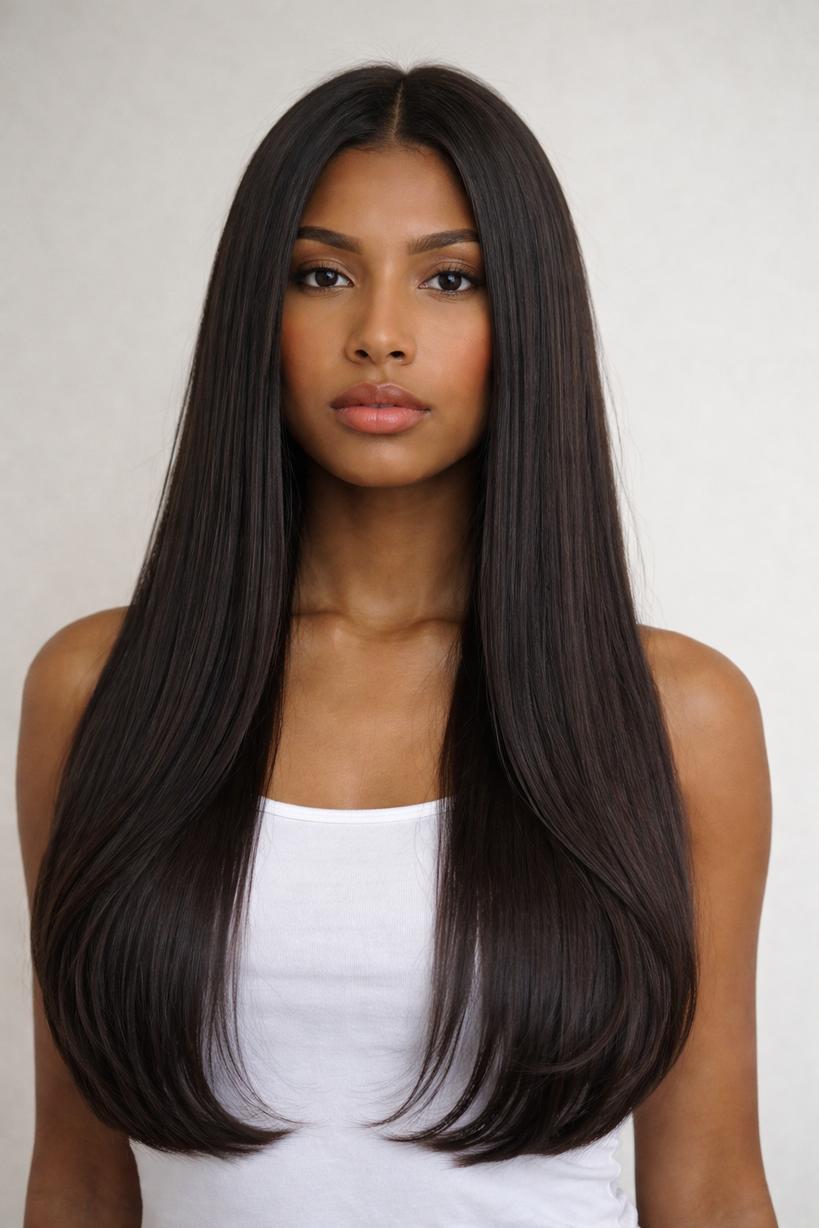
- Center parts with no side volume
- Slicked-back looks that expose full face length
- Flat, straight cuts with no cheek-level movement
Each one removes visual breaks instead of creating them.
How to Communicate This to a Stylist
Rather than naming a trend or photo, describe what you want the haircut to do:
- “I want more width around the cheeks.”
- “I don’t want height at the crown.”
- “I want the length to move outward, not hang straight.”
This shifts the conversation from imitation to structure.
FAQ
Is a long face the same as an oblong face?
They’re often used interchangeably, but “long face” is a visual description, while “oblong” is a more specific proportion category. In haircut planning, the same balancing principles apply.
Are short haircuts better for long faces?
Not inherently. Short hair can exaggerate length if it adds height or removes side volume. Structure matters more than length.
Do bangs always help a long face?
No. Bangs help only when they interrupt vertical flow without creating a heavy horizontal block. Texture and placement decide the outcome.
As with most long-face decisions, the goal isn’t coverage—it’s interruption.