


In This Guide
Why “Oval Face” Haircut Advice Is Often Misleading
Many people search for haircuts for oval face shapes expecting clear answers, yet most guides offer the same vague conclusion: “almost anything works.” While that sounds reassuring, it often leads to shallow advice—lists of styles without any explanation of why they work.
This skips the real issue:
What structural traits define an oval face, and how should a haircut respond to them?
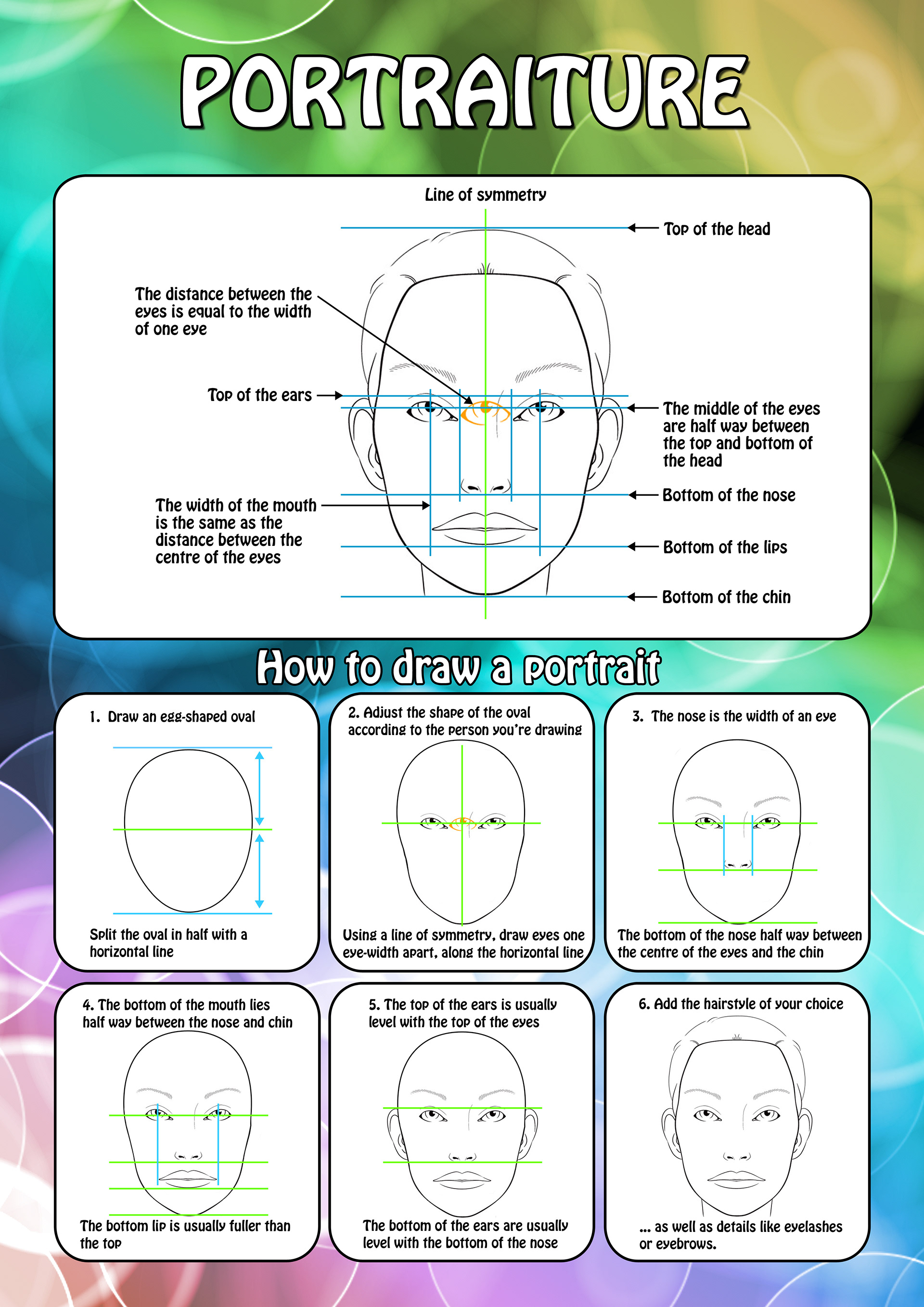
This article focuses on principles rather than trends. Instead of telling you what to choose, it explains how to evaluate whether a haircut genuinely works for an oval face.
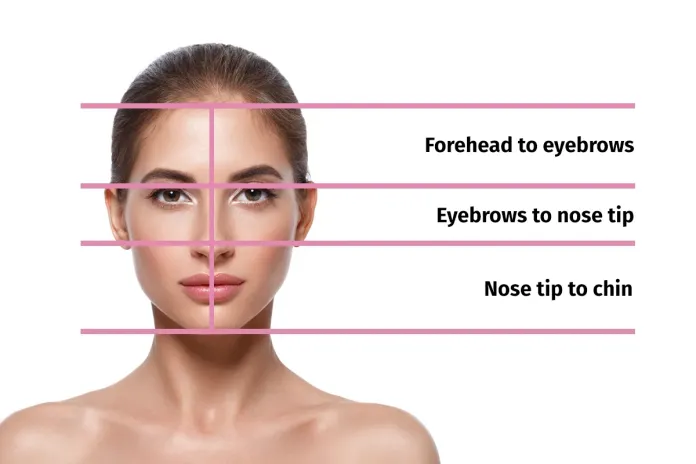
What Actually Defines an Oval Face Shape
An oval face is not simply “longer than wide.” Structurally, it is defined by three traits:
- Face length exceeds width, but without extreme contrast
- Cheekbones appear slightly wider than both the jaw and the forehead
- The jawline curves smoothly rather than forming sharp angles
Because no single area dominates visually, the oval face reads as balanced. That balance is its greatest strength—and also its most overlooked vulnerability.
When a haircut exaggerates length, removes structure, or ignores proportion, it can quietly disrupt that balance without looking obviously “wrong” at first glance.
The Core Principle: Control Length, Not Freedom (For Oval Face Haircuts)
Most advice for oval face haircuts emphasizes freedom. In practice, control matters more than variety.
An oval face already carries natural vertical emphasis. When a haircut adds excessive height on top, collapses the sides, or creates a narrow overall silhouette, the face can shift from balanced to visually stretched.
More reliable results come from intentional moderation:
- Volume that exists, but is distributed rather than stacked vertically
- Sides that support facial width instead of removing it
- Clear structure around the temples, fringe, or jaw-adjacent areas
The haircut should frame the face, not simply sit on top of it.
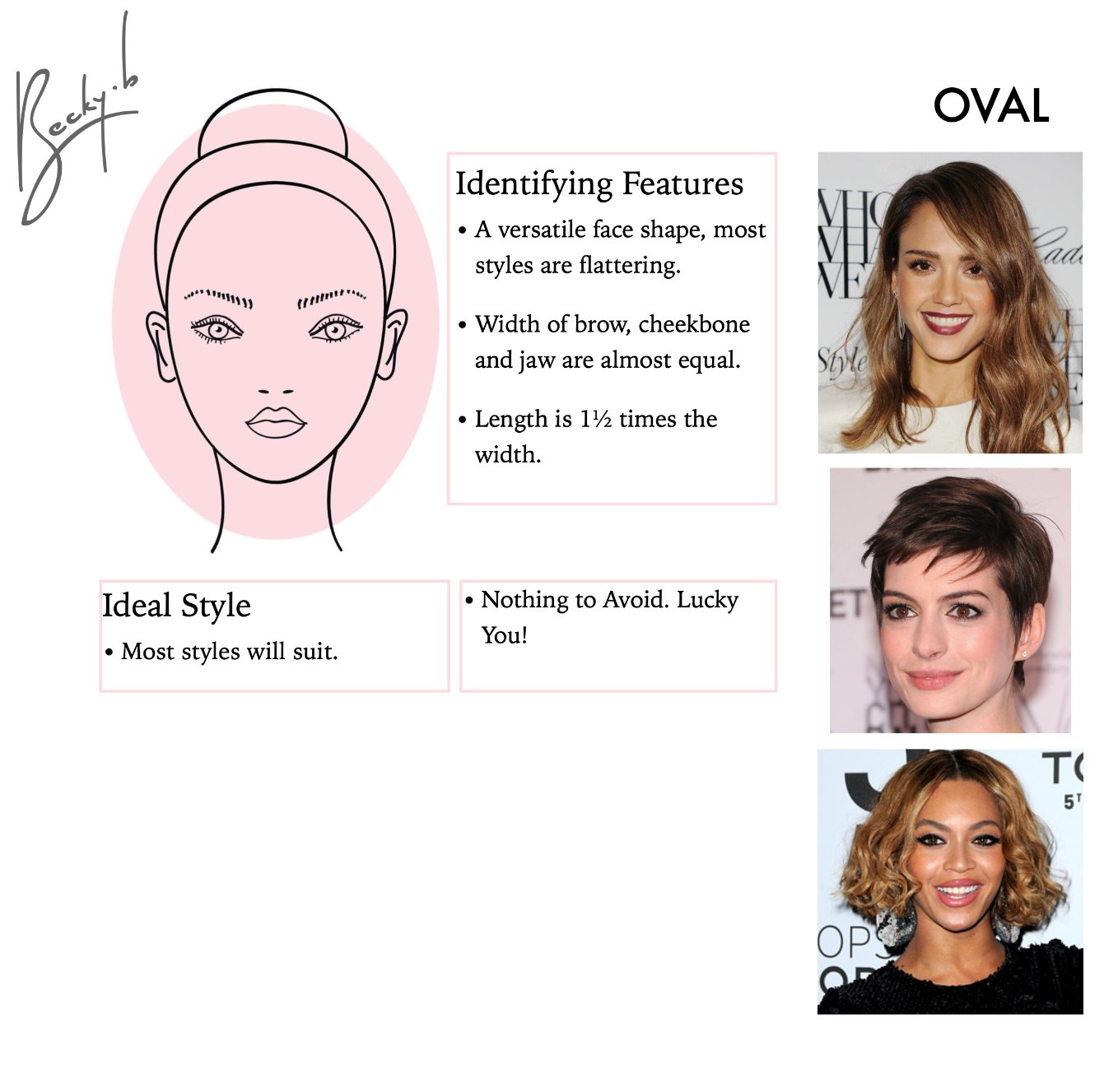
Why Some Popular Haircuts Still Fail on Oval Faces
This is where confusion usually begins. A haircut can be fashionable and technically well executed, yet still feel subtly off on an oval face.
The causes are structural rather than stylistic:
- Excessive vertical emphasis draws the eye upward and exaggerates face length
- Ultra-tight sides remove lateral support
- Long, flat front sections eliminate facial framing
These are rarely dramatic mistakes. Instead, they shift visual balance gradually until the face no longer looks as harmonious as it naturally could.
This often happens when trends override proportion—an issue closely tied to why face shape balance matters more than trends in the first place.
How to Evaluate Whether a Haircut Works on an Oval Face
Rather than asking, “Does this style work for oval faces?”, a more reliable test is structural:
- Does the haircut preserve facial proportion when viewed from the front?
- Does it add structure without over-emphasizing length?
- Does the face remain visually centered within the hairstyle?
If the answer to all three is yes, the haircut is likely compatible—regardless of its category or label.
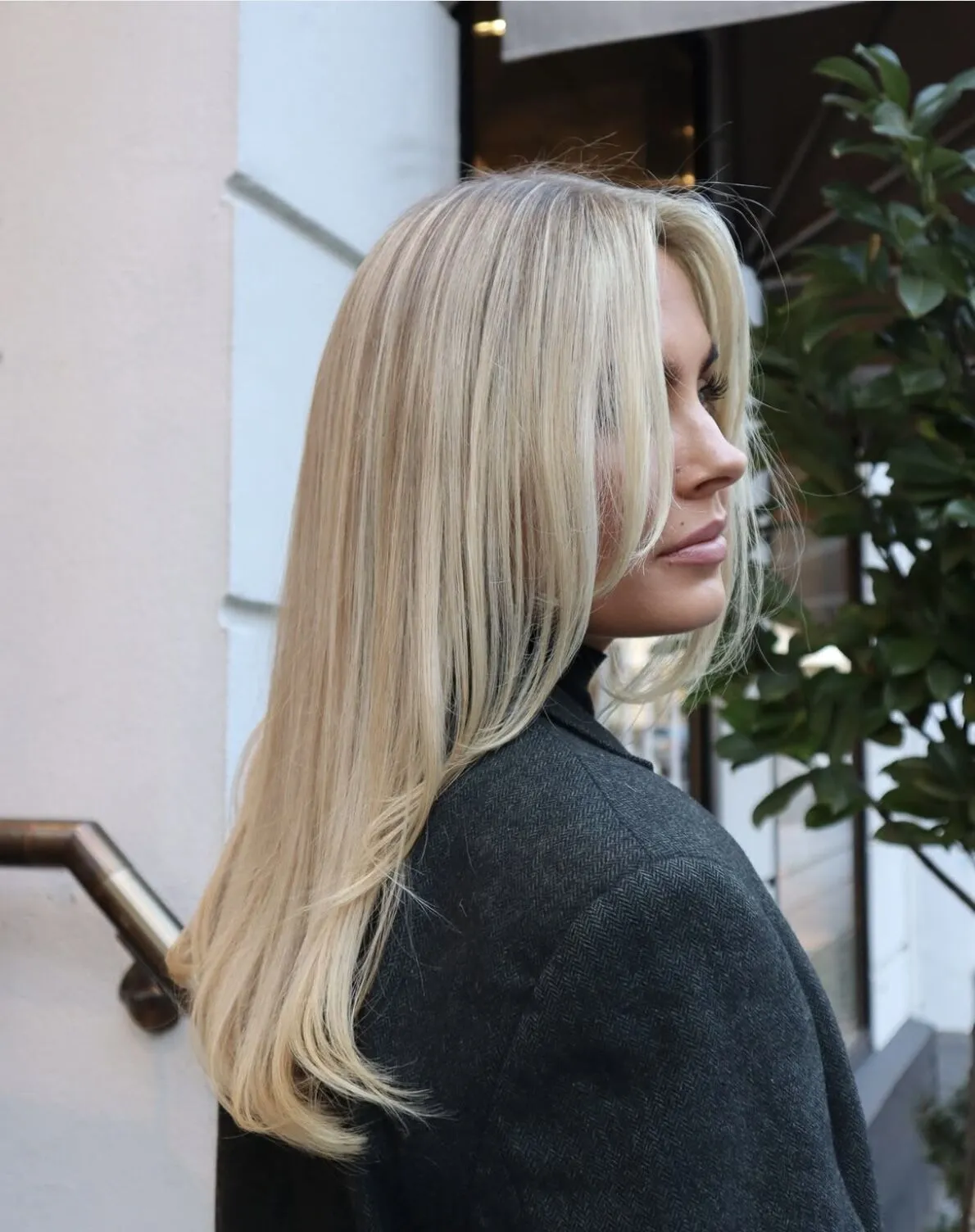
If you are unsure whether your face shape is truly oval, it may help to first identify your face shape at home using simple measurement methods.
FAQ: Common Questions About Oval Face Haircuts
Is an oval face considered the “ideal” face shape for haircuts?
The word “ideal” is misleading. Oval faces are balanced and adaptable, but they still require proportion control. Poor structure shows on oval faces just as clearly as on any other shape.
Can oval faces wear very long hair?
Yes, but long hair works best when it introduces visual breaks through layering, movement, or framing. Flat, uninterrupted length often makes the face appear longer than intended.
Should oval faces avoid short sides?
Not necessarily. The issue is extreme contrast. When sides are cut too tight while the top remains dominant, the face loses horizontal support and appears elongated.
Final Thought: Balance Is an Active Choice
Oval faces do not work because “everything suits them.” They work when a haircut respects proportion, controls length, and introduces structure with intention.
Once that logic is understood, choosing a haircut stops being guesswork and becomes a design decision.
This article was written and optimized with the assistance of AI, then reviewed and refined to maintain a clear, educational, non-commercial tone.